The Backlash
Women's Rights Since #MeToo

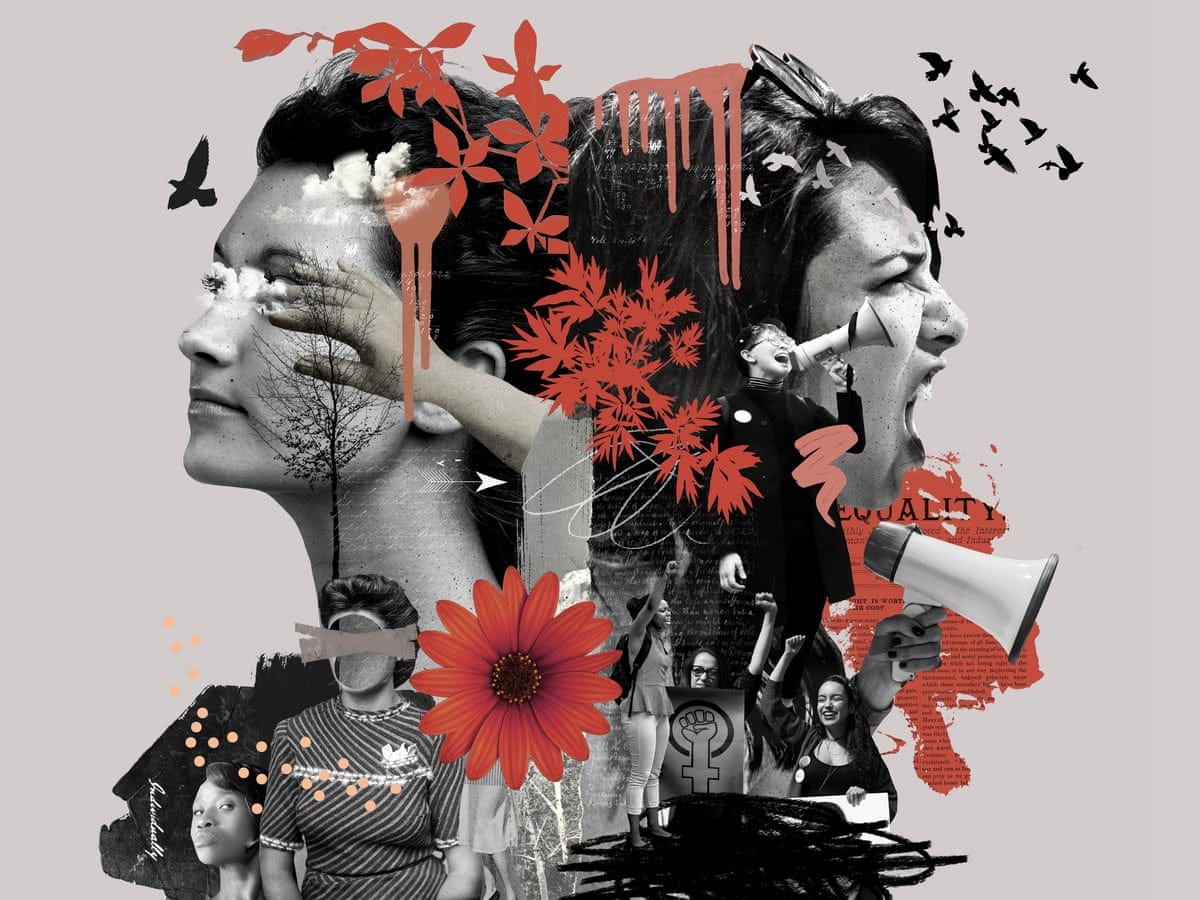
Nearly a decade after #MeToo went viral in 2017, the reckoning it promised has met a sustained cultural, institutional, and legal backlash. Three core factors drive the reaction: a quiet retreat from workplace accountability, a broader rollback of gender-related institutional commitments, and the collapse of federal abortion protections after Dobbs. Together they show a pattern less about any single policy than about the steady erosion of ground that was once thought secured.
1. The Workplace Chilling Effect
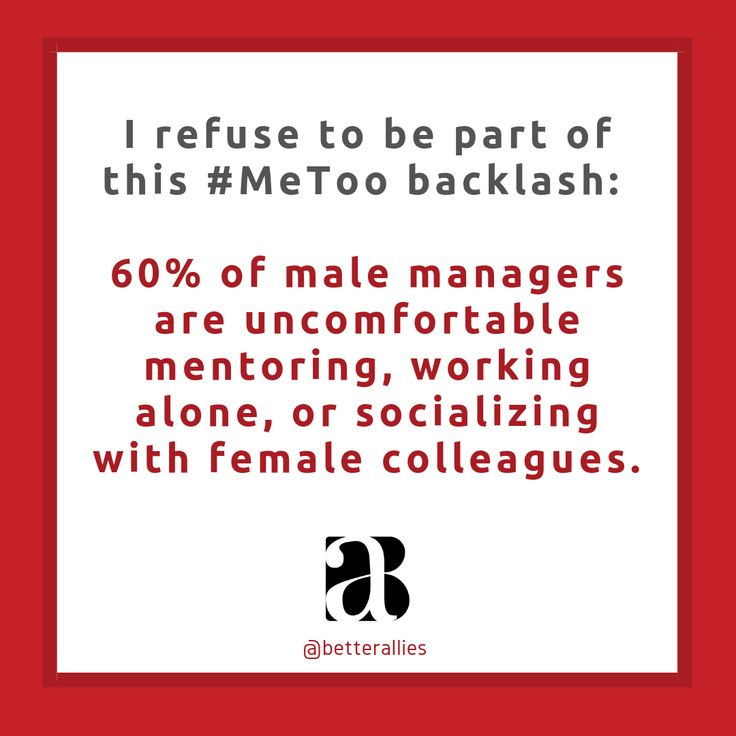
The most immediate backlash to #MeToo wasn't political, it was managerial. Research has consistently linked the movement to male managers pulling back from mentoring, hiring, or working closely with women, making career advancement harder for the very people #MeToo aimed to protect. A 2019 study found 21% of men became less willing to hire women for jobs involving close interpersonal contact, and 27% began avoiding one-on-one meetings with female colleagues… believe it or not, that's called the"Pence effect," named for the vice president's stated policy of never dining alone with a woman other than his wife.
Not every data point supports this narrative, though. At least one time-series study found no measurable negative impact on female employment rates overall, and even recorded a slight (statistically insignificant) dip in female unemployment coinciding with the movement's rise. The chilling effect appears most concentrated in informal mentorship and advancement dynamics, not headline employment numbers, which is arguably more insidious, since it's harder to litigate or even measure.
2. The "False Accusation" Narrative
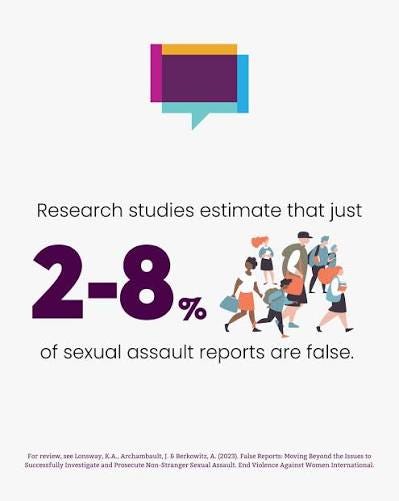
A recurring backlash theme centers less on facts than on fear, specifically, fear of men being falsely accused. A 2018 study found American adults were roughly as concerned about men facing false accusations as about women experiencing sexual violence, despite men being statistically far more likely to be assault victims themselves than to face false accusations. This asymmetry between perceived risk and actual risk was amplified by prominent political figures and became a durable talking point in conservative media, one that continues to shape how harassment claims are received publicly.
Underneath that fear narrative is something more ideological than personal. Studies have found that backlash against #MeToo tracks more closely with political conservatism than with a man's actual position in workplace or gender hierarchies. This suggests the backlash functions more as identity signaling than as a rational response to personal risk. Additional research has found white men rate women #MeToo advocates as more "sexist" than male advocates making identical points a "reverse sexism" framing that measurably reduces support for the movement among that audience. And among people already skeptical, exposure to the movement's messaging has been shown to push them toward even more negative views. This is especially pronounced among those who felt pressured to change their opinions.
3. Institutional Retreat (2024–2026)
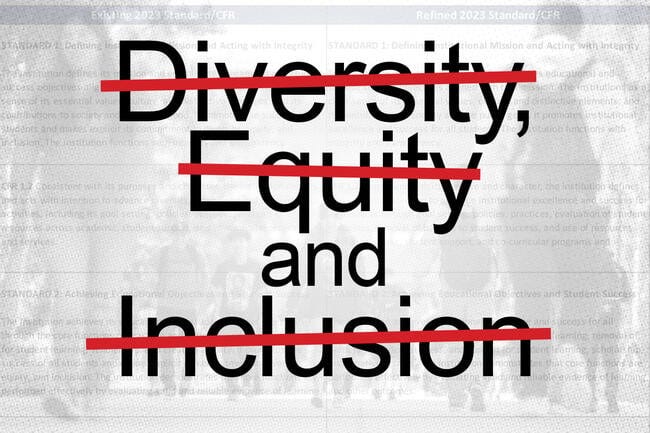
By 2025–2026, backlash against #MeToo-era accountability had folded into a much broader institutional retreat from gender and DEI commitments generally, accelerated by the Trump administration's second term. Public documentation of corporate DEI practices dropped from 377 companies in 2025 to just 131 in 2026. Advocates argue this reflects reduced visibility rather than reduced substance, with many practices continuing under different labels. Meanwhile, the EEOC has moved to scrutinize companies that still factor race, sex, or other protected characteristics into employment decisions, and reverse-discrimination lawsuits are rising, with legal analysts expecting further escalation through the rest of 2026.
4. The Reproductive Rights Collapse
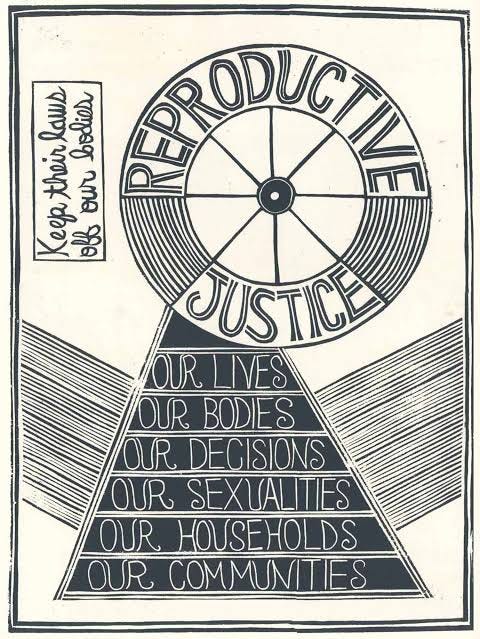
The starkest, most measurable rollback is reproductive care access, where backlash moved from cultural sentiment into hard law with immediate health consequences.
Where things stand legally.
As of 2026, abortion is banned outright in 13 states: Alabama, Arkansas, Idaho, Indiana, Kentucky, Louisiana, Mississippi, North Dakota, Oklahoma, South Dakota, Tennessee, Texas, and West Virginia. In four more (Florida, Georgia, Iowa, South Carolina) it is banned around six weeks last menstrual period. Fourteen states now have zero operating abortion clinics. In the first 100 days after Dobbs alone, 66 clinics across 15 states stopped providing care.
The health toll is measurable and severe.
Maternal mortality is nearly twice as high in ban states as in access states. Between 2022 and 2023, maternal mortality fell 21% in access states, but rose 5% in ban states over the same period. Texas, which enacted its six-week ban in 2021, saw maternal mortality rise 33% between 2019 and 2023, landing at more than 2.5 times California's rate. Black women remain three times more likely than white women to die of pregnancy-related causes, a gap that widens further inside ban states. Beyond abortion specifically, federal budget legislation (OBBBA) has been linked to the closure of more than 65 labor & delivery units and clinics through April 2026 resulting in destabilizing obstetric care broadly for people who were never seeking an abortion in the first place.
Care hasn't disappeared, it's been displaced, at real cost.
The Guttmacher Institute estimates roughly 1.126 million clinician-provided abortions occurred in 2025, nearly flat versus 2024, because care moved rather than vanished. Illinois alone provided 32,000 abortions to out-of-state residents in 2025, nearly a quarter of everyone who traveled for care nationally that year. North Carolina provided about 18,000 to out-of-staters despite its own 12-week limit, largely absorbing patients fleeing Florida's six-week ban. In response, 22 states plus D.C. have enacted shield laws blocking cooperation with out-of-state investigations, extradition requests, and enforcement of other states' judgments against providers and patients.
The legal fights are escalating past bans themselves.
Missouri voters passed a constitutional amendment protecting abortion access in November 2024… and it has been tangled in lower-court challenges ever since, awaiting a state supreme court resolution. Attorneys general in Florida, Missouri, and South Dakota have sued pro-choice organizations under consumer-deception and RICO statutes, a newer and more aggressive legal tactic than banning the procedure outright. Courts, meanwhile, are increasingly leaning on procedural rulings to sidestep the substantive reproductive-rights questions entirely. And in a marked escalation from targeting providers to targeting patients, Ohio lawmakers introduced a proposal in June 2025 to criminalize abortion patients themselves.
The same basic mechanism connects a manager avoiding a mentorship meeting, an EEOC crackdown on DEI hiring, and a maternal mortality spike in Texas: rights won through visible cultural pressure prove far more reversible than rights secured through durable law. #MeToo changed norms without changing statutes in most workplaces; Roe was constitutional precedent, and even that proved reversible. The pattern across all three fronts is retreat by attrition, not a single dramatic reversal, but a thousand quieter ones: a hiring decision not made, a DEI report no longer filed, a clinic that quietly closes.
You’re a good writer, well researched too. My niece had a harassment situation in her summer workplace. Her boss, a female, appears to have handled it well. Supervisors in that field would have had better training in the law and procedures related.
On accusations of sexual assault, my late stepmother was fairly wise. A star football player, a senior at the University of Tennessee, was charged with rape shortly before the draft. The head coach and athletic department rallied to support him (though not explicitly his side of the story), even a press conference. I was infuriated as a fan and as a parent of a daughter who attended there, believing as I still do that the university should remained neutral in every conceivable sense. I took some flack on that from some alumni and fan friends of mine.
When I told my stepmother what I thought about it, she cautioned me about young women in pursuit of a football star. I thought she was just not being woke, but sure enough, two or three years later he was acquitted when the accuser recanted after some recorded conversions surfaced that proved it was really an abusive, “if I can’t have him (and his income potential), nobody will.” The NFL had banned him from the draft and the league, but after the acquittal, he got a tryout and had a good but shortened career. He lost tens of millions of dollars that he would have made by being a high draft choice. I can see how a young man might fear finding himself in the unlucky 2 to 8% and still be on the side of victims. Empathy is hard.